Position 1 Carry Explained
Updated 2026-07-14
What does position 1 carry do in Dota 2?
Position 1, the carry, is the highest farm priority on the team and is built to win the late game. The carry spends the first 20 to 30 minutes accumulating gold and experience with minimal risk, then uses the resulting items to fight and win on their own once the game slows down. Every other position is built, in part, to protect this investment.
The job is less about mechanical flash than it looks from the outside. A good position 1 skips fights it cannot win, takes farm efficiently, and only commits once its item timings make a fight winnable. If your team is behind at minute 35 and you are the reason they can still win, you are playing the carry correctly.
What is the position 1 farm priority?
Farm priority is a resource contract, not a popularity ranking. Position 1 gets first claim on the safe lane's creep waves, the easiest jungle camps nearby, and any farm the team can funnel its way — because the carry's item timings are the axis the whole game plan rotates around. Supports actively give up their own farm (pulling waves, standing off to the side) specifically so the carry hits key items on schedule.
This means a carry who does not take the farm offered is wasting a resource the rest of the team sacrificed for. Efficient last-hitting and clean farming routes are not optional flourishes — they are the actual job description.
What happens during the laning stage, minutes 0-10?
The carry starts in the safe lane, typically alongside the hard support, against the enemy's hardest lane. The goal for these first ten minutes is simple: get as many last hits and denies as possible while taking as little harass as possible, and hit level 6 with the support still able to protect the lane. A hard support pulling the small camp on schedule and stacking the jungle is what makes this window survivable against aggressive enemy lanes.
Mistakes here compound. A carry who gets zoned off creeps for the first ten minutes is often still behind at minute 40, because the entire farming curve shifts later and every subsequent timing slips with it.
What does the carry do in the mid game, minutes 10-25?

This is the farming window. The carry rotates between the safe lane, the jungle, and any lane the enemy has abandoned, converting time into gold as efficiently as possible while avoiding fights that do not favor them yet. Core items — Power Treads, then a major farming item, then a fighting item — get built in this window, and the carry's job is largely to stay alive and keep the gold graph climbing rather than to make plays.
Good carries track their own timings against what a strong player would hit by the same minute, and they lean on their team to buy time — soaking pressure elsewhere on the map — while the farm finishes.
What does the carry do in the late game, 25+ minutes?
Once core items are complete, the carry's job flips from farming to fighting. This is where the earlier patience gets cashed in: a carry with a finished item build can often win a fight alone against a team that has been ahead the entire game. Positioning still matters enormously — arriving at a fight a few seconds late, or too early, undoes 30 minutes of farming in a single bad engagement.
The team's job in this phase is to create space and pick fights the carry can win; the carry's job is to show up at the right moment and close it out.
Which heroes are classic position 1 carries?
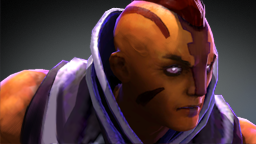
Anti-Mage is the textbook example: extremely farm-efficient with Blink and Mana Break, weak early, dominant once items are online. Phantom Assassin scales through raw critical-strike damage and can end fights almost instantly once she has core items. Juggernaut is flexible and forgiving, with Blade Fury for safe farming and a strong team fight ultimate.
Spectre farms passively and then teleports into fights from anywhere on the map through Haunt. Terrorblade snowballs through illusions that let him farm two lanes worth of gold at once. Wraith King is one of the most forgiving carries to learn, because Reincarnation punishes bad engagements far less than most heroes in the role.
What are the most common position 1 mistakes?
The biggest mistake is fighting too early. A carry who joins every skirmish before core items are done is spending resources the team gave up to fund a late-game win, and getting none of the payoff. The second is inefficient farming — missing last hits, walking inefficient routes between camps, or farming the wrong side of the map relative to where the team needs pressure.
The third is positioning in fights that do happen: a carry that gets caught first, before dealing damage, converts a winnable fight into a lost one instantly. Watching your own deaths — how many happen before you get a hit off — is one of the fastest ways to diagnose this.
How do you know carry is really your role?
Two numbers settle it: your last-hit count relative to lane duration, and your win rate specifically in games where you played position 1. Enjoying carry heroes is not the same as being effective on them — plenty of players love the fantasy of a late-game hero carrying but consistently lose their lane before that fantasy has a chance to happen.
DOTA 2 PICKS' Role Shuffle mode reads your match history through OpenDota and builds a comfort score for every position from 1 to 5, based on the lanes you actually occupied and how those games ended. If your position 1 comfort score is genuinely your highest, the data backs the fantasy. If it is not, you now know which position to check next instead of forcing a role that is not working.
Frequently asked questions
What does position 1 mean in Dota 2?
Position 1 is the carry, the role with the highest farm priority on the team. The carry spends the early and mid game accumulating gold and levels with minimal risk, then uses the resulting items to win fights and close out the late game. The numbering reflects farm priority, not skill or importance.
Why does the carry get the most farm?
Because carry heroes scale the hardest with items — the gap between an undergeared carry and a fully itemized one is larger than for any other position. The rest of the team sacrifices their own farm, pulling waves and giving up jungle camps, specifically to fund the carry's item timings, since a late-game win usually runs through this role.
What lane does position 1 play?
The safe lane, typically alongside the hard support (position 5). This is the lane where the carry's team has the numbers and terrain advantage, which lets the carry farm relatively safely while learning last-hitting under less pressure than the offlane sees.
What makes a good position 1 carry player?
Clean last-hitting, efficient farming routes between the lane and jungle, and the discipline to skip fights that are not winnable yet. Mechanically flashy plays matter less than consistently hitting item timings and then showing up correctly positioned once those items are online.
More guides
- What Role Should You Play in Dota 2? - Position Guide
- Use ChatGPT to Find Your Best Dota 2 Role - Then Verify
- Best Dota 2 Role for Beginners - Where New Players Start
- Position 5 Explained - Dota 2 Hard Support Role Guide
- Best Role to Climb MMR in Dota 2 - What the Data Says
- Use ChatGPT to Analyze Your Dota 2 Playstyle - Role Check
- Position 2 Mid Explained - Dota 2 Solo Lane Role Guide
- Position 3 Offlane Explained - Dota 2 Hard Lane Role Guide
- Position 4 Explained - Dota 2 Soft Support Roaming Role
- Switching Roles in Dota 2 Without Losing MMR - Guide
- Dota 2 Role Assignment for 5-Stacks - Who Plays What
- Dota 2 Hero Pool by Role - What to Pick for Each Position
- Support vs Core in Dota 2 - Which Climbs MMR Faster
- Find Your Main Role in Dota 2 From Match History - Guide
- Use ChatGPT to Plan a Dota 2 Role Swap Routine - Guide
- Use ChatGPT to Build a Dota 2 Hero Pool - Then Verify
- What Role to Play After a Dota 2 Losing Streak - Tips
- Best Second Role to Main in Dota 2 - Flexible Queue Guide
- Signs You Are Playing the Wrong Role in Dota 2 - Check
- Dota 2 Role Comfort Score - How to Read the Numbers