Position 3 Offlane Explained
Updated 2026-07-14
What does position 3 offlane do in Dota 2?
Position 3, the offlane, holds the third farm priority and plays the hardest lane on the map — usually alone or with a single rotating support, against the enemy's carry and hard support at once. The offlaner's job is to make that 2v1 or 2v2 as miserable as possible for the enemy carry while surviving on far less gold than a safe-lane player ever sees.
Offlane heroes are built to start fights and soak damage rather than farm cleanly, which is why the role is often called the initiator's seat. A good offlaner does not need to win their lane on the scoreboard — surviving it while denying the enemy carry a clean start is often the actual win condition.
What is the position 3 farm priority and lane setup?
Offlane sits third in farm priority, behind the carry and mid, and the lane itself is the most contested piece of map in the draft: the offlaner usually faces the enemy's position 1 and position 5 together, on a lane where the terrain and pulls typically favor the enemy's safe lane. Farm here is opportunistic — a few last hits when the enemy misses theirs, whatever the jungle offers between waves — not a guaranteed supply.
Because the offlaner cannot count on lane farm, most position 3 heroes are built around item-independent value: stuns, auras, and frontline durability that matter even on a lean gold count. A team's position 4 often rotates through the offlane early to help even the numbers, which is part of why offlane and soft support are considered a paired lane rather than two separate assignments.
What happens during the laning stage, minutes 0-10?
The offlaner's first job is survival: soaking harass from two opponents, denying the enemy carry easy last hits when possible, and avoiding a gank from the enemy's roaming support. A lane that ends with the offlaner alive, near level 6, and the enemy carry undernourished counts as a clear win, even with a low last-hit count.
Contesting the pull camp and denying the enemy's lane equilibrium is a quieter but equally important job — an offlaner who forces the enemy safe lane to shove into their own tower is buying time and space the rest of the team can use elsewhere on the map.
What does the offlaner do in the mid game, minutes 10-25?

Once laning ends, the offlaner shifts into the team's frontline and initiator, starting fights with a stun or a leap into the enemy team rather than looking for solo farm. A well-timed initiation from a hero like Tidehunter, whose Ravage can hit the entire enemy team at once, can win a fight the team was otherwise losing on paper. The offlaner also picks up whatever farm the map offers along the way, without ever prioritizing it over map presence.
What does the offlaner do in the late game, 25+ minutes?
By the late game, the offlaner is almost purely a frontline and initiation role: soaking up enemy damage so squishier teammates can deal theirs, and opening fights at the moment the team's positioning is ready. Item budgets stay modest — a Blade Mail or a Crimson Guard goes further here than a full core item build — and the decision of when to commit to a fight carries as much weight as any single item timing on the carry.
Which heroes are classic position 3 offlaners?
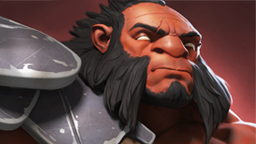
Axe is the textbook offlaner: Berserker's Call locks down a fight instantly, and Counter Helix punishes anyone who tries to melee him down, all on a hero that needs very little gold to be useful. Centaur Warrunner combines Stampede's global initiation with raw durability.
Bristleback punishes melee harassment in lane with Quill Spray and only gets tankier the longer a fight runs. Dark Seer's Vacuum and Ion Shell give a lane-independent way to control fights and farm at the same time. Underlord anchors a lane with Pit of Malice and later moves the whole team across the map through Fiend's Gate portals. All five trade personal farm for durability and fight-starting power.
What are the most common position 3 mistakes?
The most common mistake is playing offlane like a second carry — farming passively instead of soaking harass and looking for fight opportunities, which wastes the durability the hero pool is built around. A second mistake is initiating fights without support nearby; an offlaner who commits alone against a full enemy team usually just dies first. A third mistake is underestimating how tough the 0-10 minute window is — the fix is playing more conservatively, not blaming the matchup.
How do you know offlane is really your role?
Look at how often you survive the laning stage without feeding the enemy carry easy kills, and your results specifically in games where you played position 3. Offlane rewards players who like starting fights and tanking damage more than farming, so the hero pool alone is a decent hint — but results settle it.
DOTA 2 PICKS' Role Shuffle mode reads your history through OpenDota and builds a comfort score for every position from 1 to 5, based on the lanes and heroes you actually play. If position 3 comes back as your highest score, the sign that you are a secret offlaner has been there the whole time.
Frequently asked questions
What does position 3 mean in Dota 2?
Position 3 is the offlane, the role with the third-highest farm priority that plays the hardest lane on the map, usually against the enemy's carry and hard support together. Offlaners trade personal farm for durability and fight-starting power, soaking damage and creating space rather than out-farming their lane opponents.
Why is offlane considered the hardest lane?
Because the offlaner typically faces two opponents at once on terrain that favors the enemy's safe lane, with far less guaranteed farm than the carry across the map gets. Surviving that lane while denying the enemy carry a clean start counts as a win for the offlaner, even with a low last-hit count.
What makes a good position 3 offlaner?
Durability and initiation timing matter more than farming efficiency. A good offlaner soaks harass without dying, denies the enemy safe lane a clean equilibrium, and picks the right moment to start a fight once laning ends — usually a stun or a leap that catches the enemy out of position.
How do I know if I am secretly an offlaner?
Compare your results on position 3 against your other positions, and notice whether you enjoy tanking damage and starting fights more than farming quietly. A match-history comfort score, built from the lanes and heroes you actually play, will confirm whether offlane is your strongest seat instead of just a guess.
More guides
- What Role Should You Play in Dota 2? - Position Guide
- Use ChatGPT to Find Your Best Dota 2 Role - Then Verify
- Best Dota 2 Role for Beginners - Where New Players Start
- Position 1 Carry Explained - Dota 2 Safe Lane Role Guide
- Position 5 Explained - Dota 2 Hard Support Role Guide
- Best Role to Climb MMR in Dota 2 - What the Data Says
- Use ChatGPT to Analyze Your Dota 2 Playstyle - Role Check
- Position 2 Mid Explained - Dota 2 Solo Lane Role Guide
- Position 4 Explained - Dota 2 Soft Support Roaming Role
- Switching Roles in Dota 2 Without Losing MMR - Guide
- Dota 2 Role Assignment for 5-Stacks - Who Plays What
- Dota 2 Hero Pool by Role - What to Pick for Each Position
- Support vs Core in Dota 2 - Which Climbs MMR Faster
- Find Your Main Role in Dota 2 From Match History - Guide
- Use ChatGPT to Plan a Dota 2 Role Swap Routine - Guide
- Use ChatGPT to Build a Dota 2 Hero Pool - Then Verify
- What Role to Play After a Dota 2 Losing Streak - Tips
- Best Second Role to Main in Dota 2 - Flexible Queue Guide
- Signs You Are Playing the Wrong Role in Dota 2 - Check
- Dota 2 Role Comfort Score - How to Read the Numbers